
Introduction
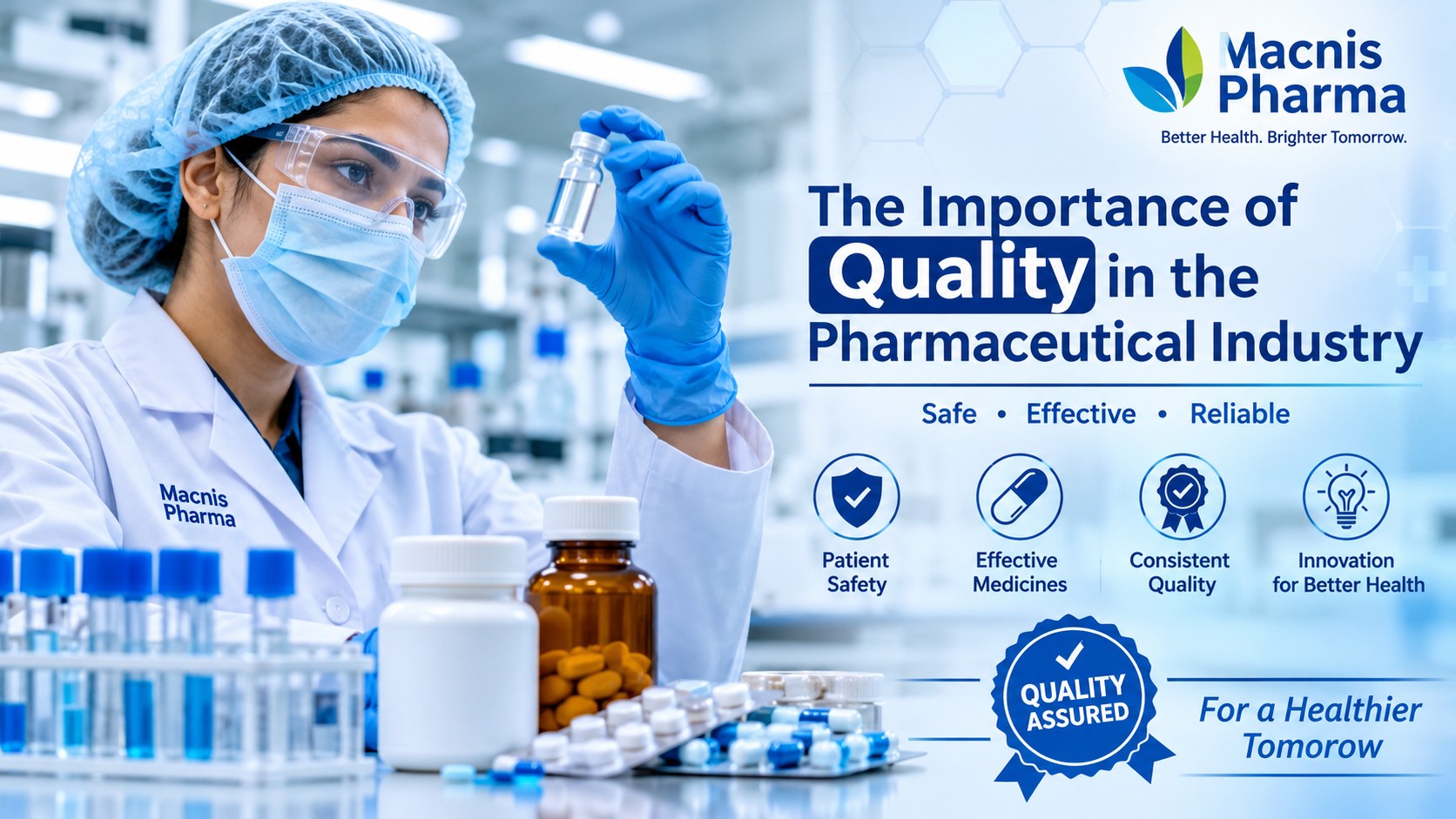
The pharmaceutical industry plays a vital role in improving public health and enhancing the quality of life. Medicines are essential for preventing, managing, and treating various health conditions. However, the effectiveness of any medicine depends greatly on its quality, safety, and reliability.
In today's rapidly evolving healthcare environment, pharmaceutical quality has become more important than ever. From research and development to manufacturing, packaging, and distribution, every stage must follow appropriate quality standards to ensure patient safety.
Why Pharmaceutical Quality Matters
Quality is the foundation of the pharmaceutical industry. High-quality medicines help healthcare professionals provide reliable treatment and support better patient outcomes.
Some key aspects of pharmaceutical quality include:
Safety: Medicines should meet established safety standards.
Effectiveness: Products should deliver their intended therapeutic benefits.
Consistency: Every batch should maintain the required quality specifications.
Purity: Medicines should meet applicable standards for purity and composition.
Proper Storage: Appropriate storage and transportation help maintain product stability.
The Role of Innovation in Modern Healthcare
Advancements in pharmaceutical research and technology continue to transform healthcare. Modern manufacturing techniques, improved quality-control systems, and scientific research contribute to the development of reliable pharmaceutical products.
Innovation also helps the pharmaceutical industry respond to changing healthcare requirements and support the growing demand for accessible healthcare solutions.
Quality Control in Pharmaceutical Manufacturing
Quality control is an essential part of pharmaceutical manufacturing. It involves systematic testing, inspection, and evaluation to ensure that products comply with applicable regulatory requirements.
Important quality-control activities include:
Testing raw materials.
Monitoring manufacturing processes.
Conducting laboratory analysis.
Inspecting finished products.
Maintaining proper documentation and quality records.
These processes help maintain product consistency and support patient safety.
Building a Healthier Future Through Pharmaceutical Excellence
The future of healthcare depends on continuous improvement, scientific innovation, responsible manufacturing, and a commitment to quality. Pharmaceutical companies have an important responsibility to support healthcare professionals and contribute to better health outcomes.
At Macnis Pharma, pharmaceutical quality and the importance of reliable healthcare solutions provide a meaningful foundation for discussing the evolving needs of the healthcare industry.
Conclusion
Quality, innovation, and responsibility are essential pillars of the pharmaceutical industry. By maintaining high standards and embracing technological advancements, the industry can continue contributing to a healthier and better-informed society.